- 작성일 2026.02.13
- 작성자 고려대학교 세종캠퍼스
- 조회수 5
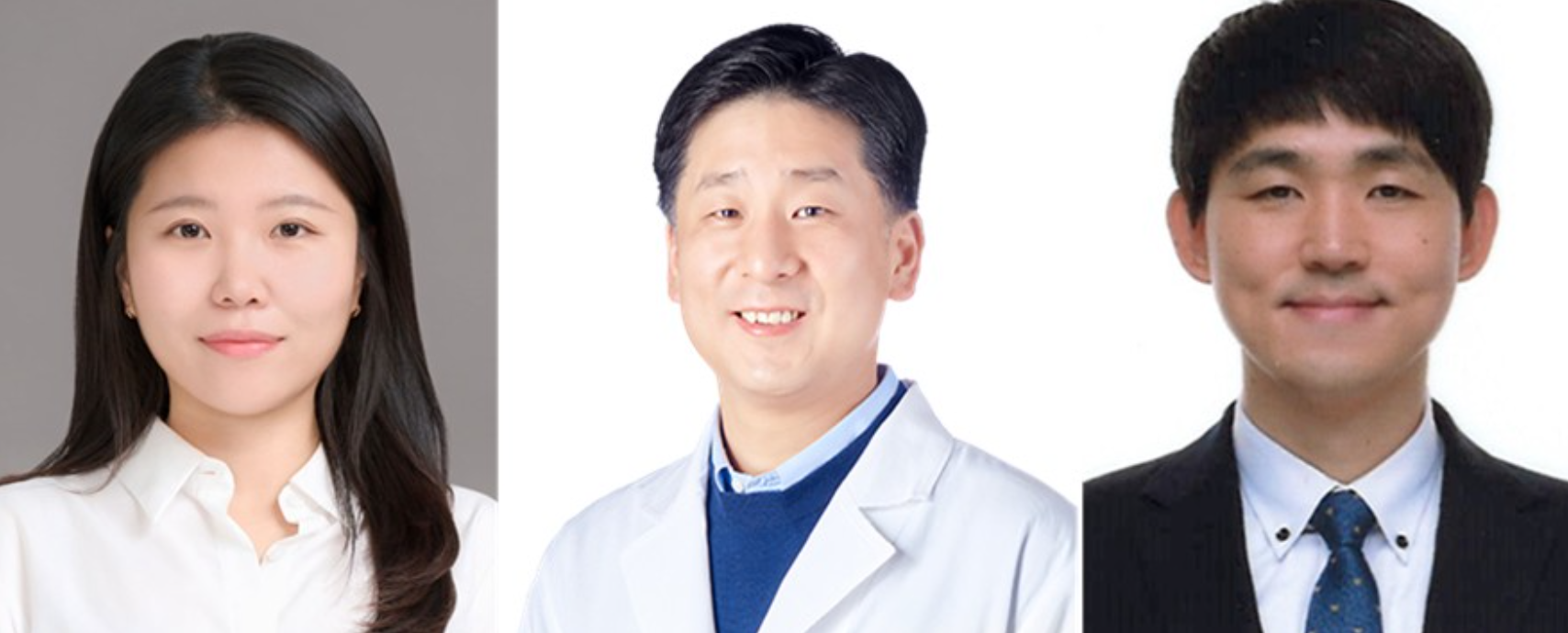
A joint research team led by Professor Hanjeong Hwang (Department of Electronic and Information Engineering, Korea University Sejong Campus), Professor Wonseok Kim (Department of Rehabilitation Medicine, Seoul National University Bundang Hospital), and Professor Gayoung Choi (Hallym University) has developed an artificial intelligence–based technology that automates personalized rehabilitation treatment for stroke patients, improving treatment efficiency by up to 82%.
This technology represents an innovative approach that enables patients to perform brain neurorehabilitation training independently at home without direct assistance from medical professionals. It is regarded as a core enabling technology that will accelerate the era of remote, home-based digital healthcare.
The research findings were published in the globally recognized journal Journal of NeuroEngineering and Rehabilitation (Impact Factor 5.2, top 2% in the rehabilitation field). The title of the paper is “Clinical Feasibility of Motor Hotspot Localization Based on Electroencephalography Using Convolutional Neural Networks in Stroke.”
In recent years, electroceutical technologies therapies that use microcurrents instead of pharmaceuticals to treat diseases or alleviate symptoms have gained attention as next-generation treatment methods. Among them, transcranial electrical stimulation (tES) is a non-invasive brain stimulation technique that modulates neural activity by applying weak electrical currents (1–2 mA) to the scalp. tES has been shown to be effective in alleviating motor dysfunction caused by stroke as well as symptoms of mental disorders such as depression.
However, conventional tES therapy requires patients to visit hospitals repeatedly, and stimulation sites must be determined based on the empirical judgment of experts. These limitations reduce accessibility for patients with mobility impairments and have been identified as major factors lowering treatment adherence and effectiveness.
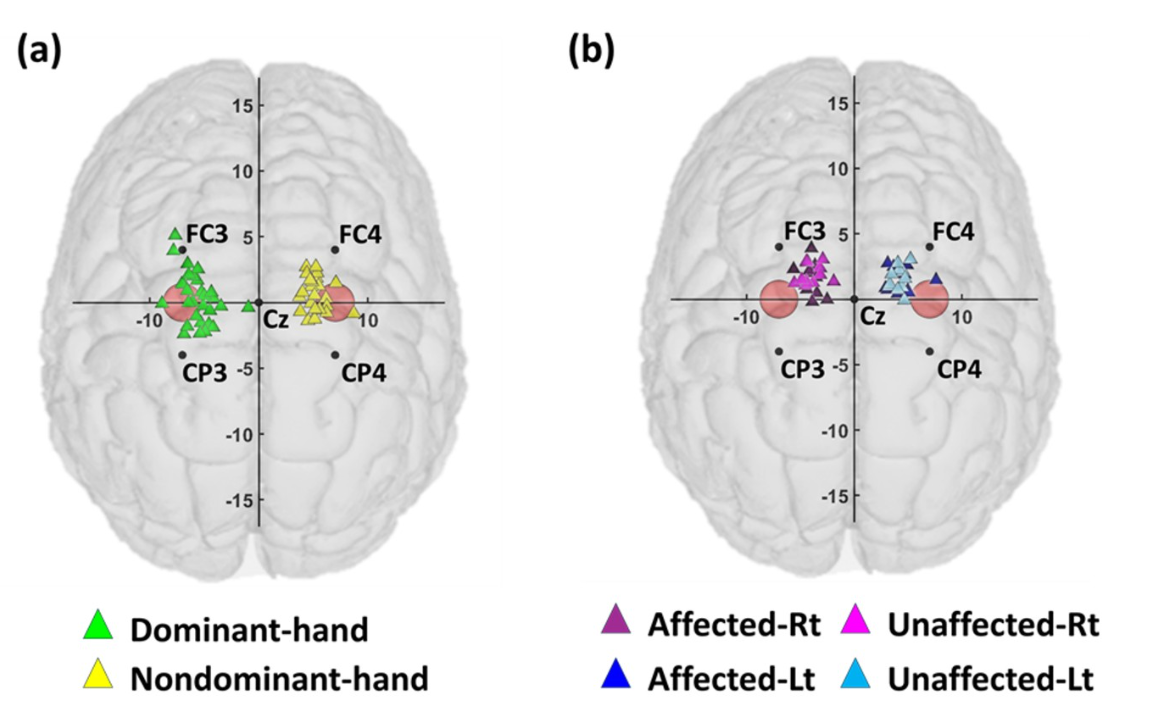
To address these challenges, the research team previously developed the world’s first artificial neural network (ANN)–based algorithm that automatically identifies optimal stimulation sites using individual electroencephalography (EEG) data. Building upon this achievement, the present study further advances the technology by enabling deep learning–based artificial intelligence to automatically perform complex brain signal analyses that previously required expert-level signal processing and interpretation.
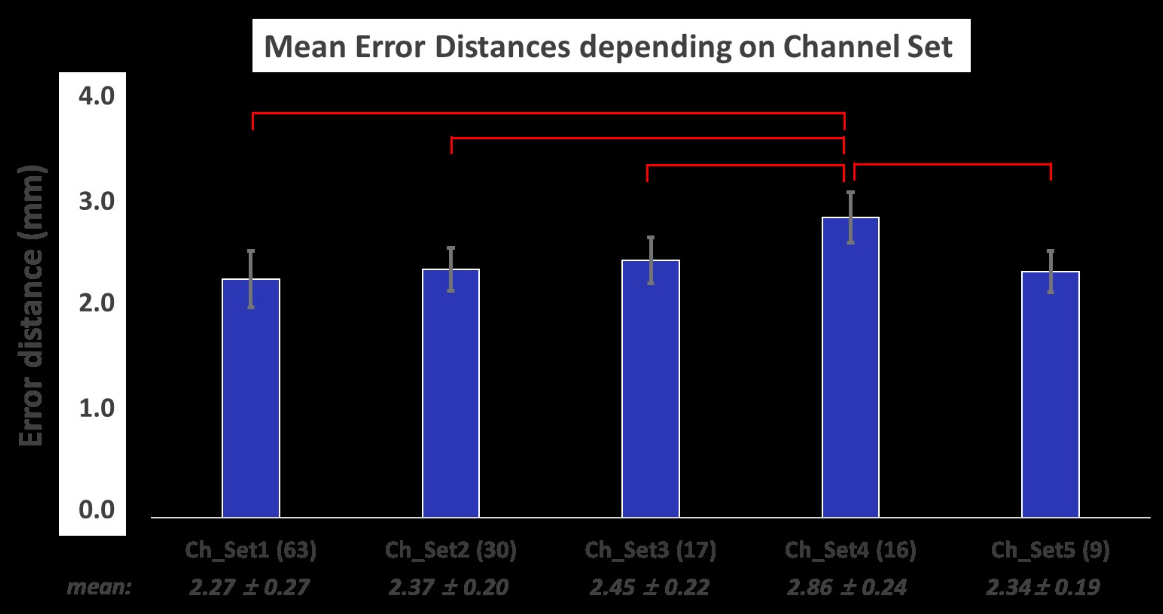
As a result, the system achieved up to an 82% performance improvement compared to previous studies while directly utilizing raw EEG data without additional preprocessing.
This technology allows patients and caregivers to easily conduct brain electrical stimulation–based rehabilitation at home without the assistance of specialized personnel.
The research team expects that the technology will enhance rehabilitation efficiency and treatment adherence for stroke patients, reduce the burden on patients and caregivers through the expansion of home-based and remote treatment, and ultimately contribute to lowering overall healthcare costs.
Professor Hanjeong Hwang, the principal investigator, stated, “This research outcome has strong potential as a foundational technology for brain electrical stimulation–based digital healthcare electroceuticals that patients and the general public can easily use in everyday life. Through further studies, we plan to verify the clinical utility of the technology and advance its development to enhance commercialization potential.”
This research was supported by the Institute of Information & Communications Technology Planning & Evaluation (University ICT Research Center Program), the National Research Foundation of Korea (Brain Science Leading Convergence Technology Development Program, STEAM Research Program, and Regional Innovation Leading Research Center Program), and Seoul National University Bundang Hospital.